
Cotton vs linen.
Both are plant fibres, both are absorbent, and both are summer staples. The differences are in how they feel, how they dry, and how they crease.
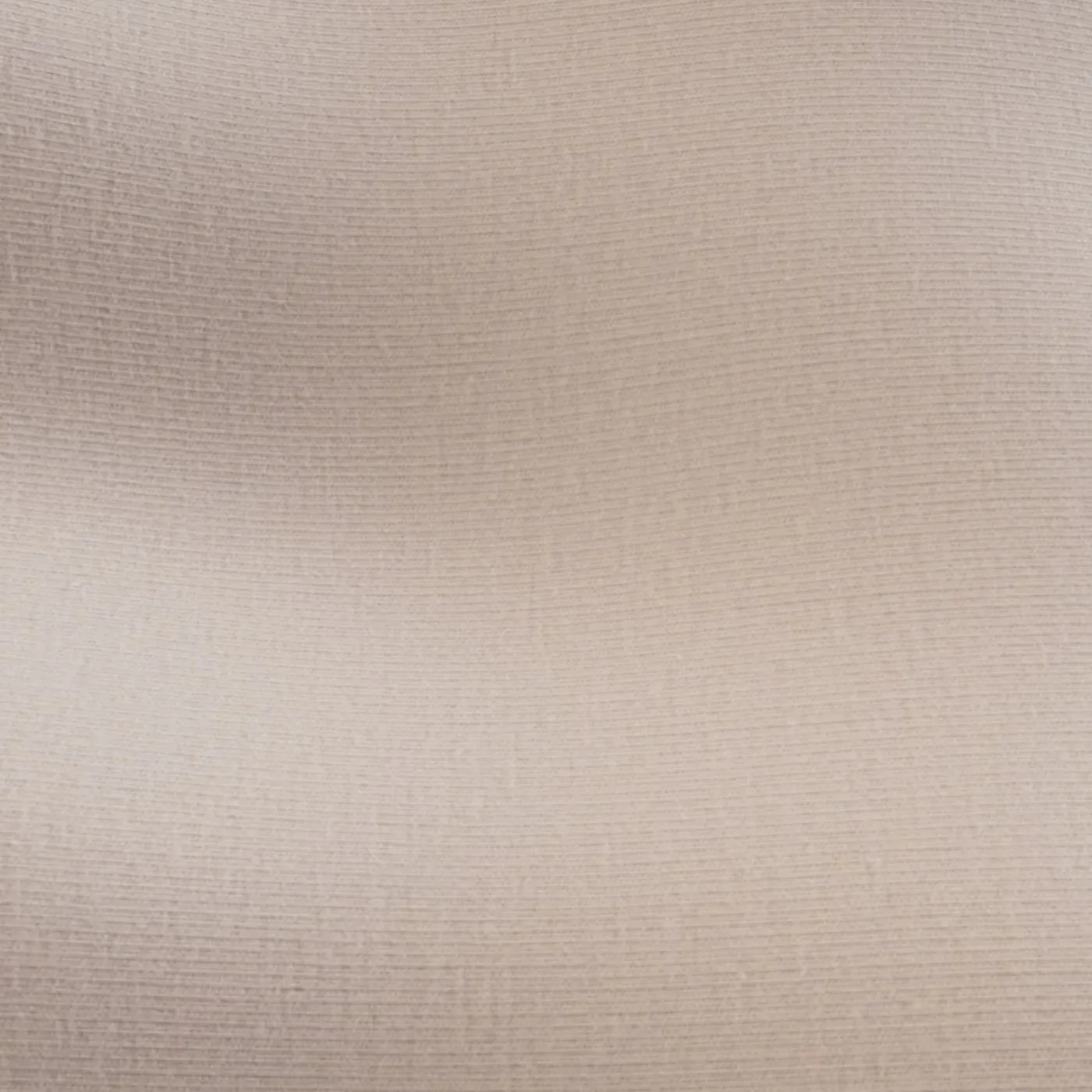
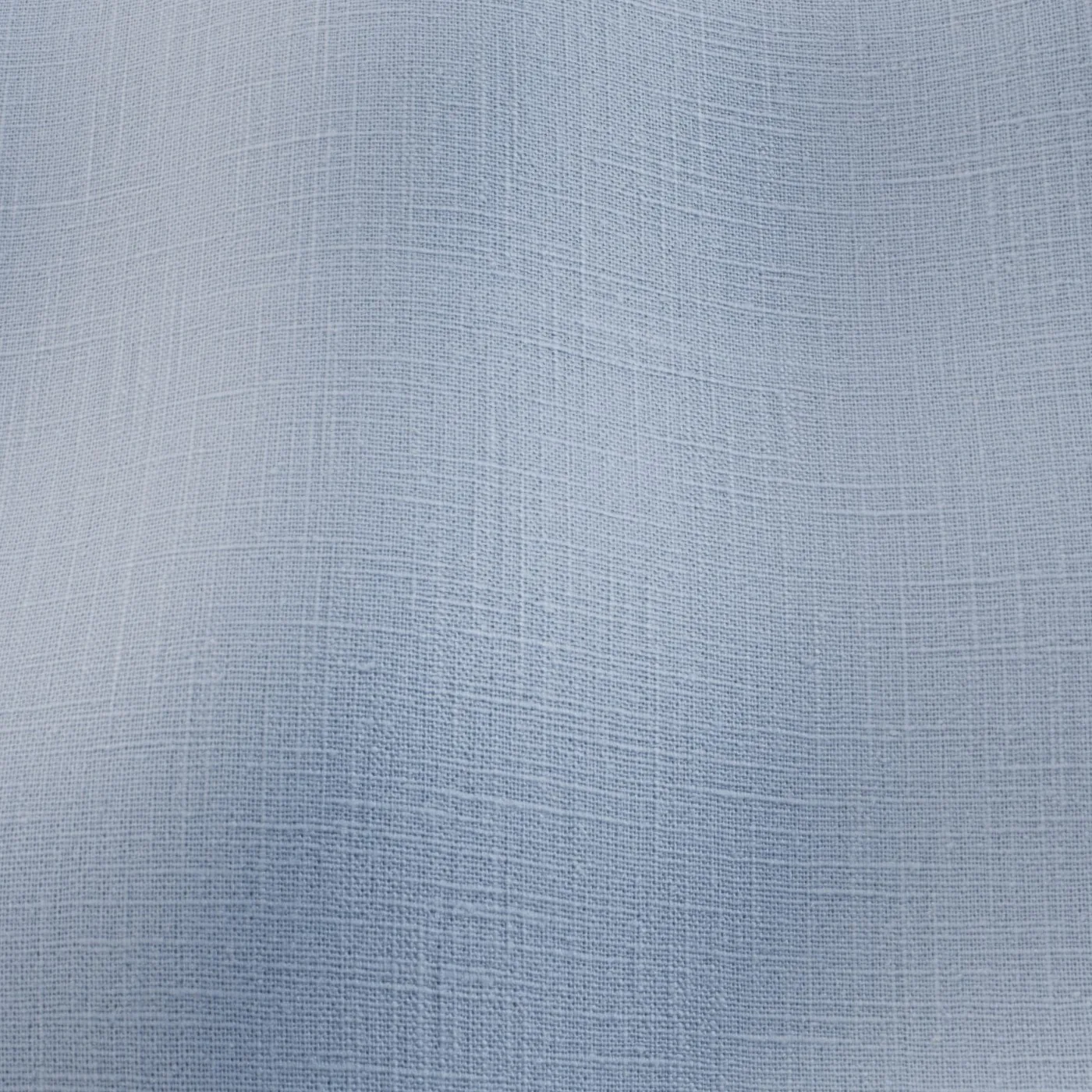
Compare like with like
Cotton is often knitted (your T-shirts) while linen is usually woven. A knitted cotton tee and a woven linen shirt differ partly because of the fibre and partly because of the structure. The fairest comparison is a woven cotton shirt against a woven linen shirt — that's what the table below describes.
| Cotton | Linen | |
|---|---|---|
| Where the fibre comes from | Soft fibres that grow around the seeds of the cotton plant [2] | Long bast fibres from the stem of the flax plant [1] |
| What it's made of | Almost pure cellulose [2] | Bast fibre, separated from the stalk by retting [1] |
| Usual construction | Both woven (shirts) and knitted (T-shirts) | Usually woven; can be knitted [1] |
| Feel | Soft and smooth | Crisp, with natural thick-and-thin slubs; softens with every wash [1] |
| Moisture | Absorbent | Very absorbent, and dries faster than cotton [1] |
| Feels cool? | Comfortable | Noticeably cool to the touch — higher thermal conductivity [1] |
| Creasing | Creases less | Creases easily — low elasticity [1] |
| Strength | Good | Up to three times stronger than cotton, and stronger when wet [1] |
| Pilling and lint | Can pill, especially with shorter fibres | Resists lint and pilling [1] |
| Watch out for | Shrinkage in very hot washes and dryers | Mildew, perspiration and bleach can damage it [1] |
Which should you choose?
Humid heat
Linen, or a light, open-weave cotton. Linen's fast drying and cool hand are hard to beat when the air is heavy.
Office and travel
Cotton, or a cotton–linen blend, if you need to stay crease-free through the day.
Everyday tees
Cotton jersey — the knit gives stretch and softness that suits close-fitting everyday wear.
Sources
Written by the Vibe Studio. Last updated .