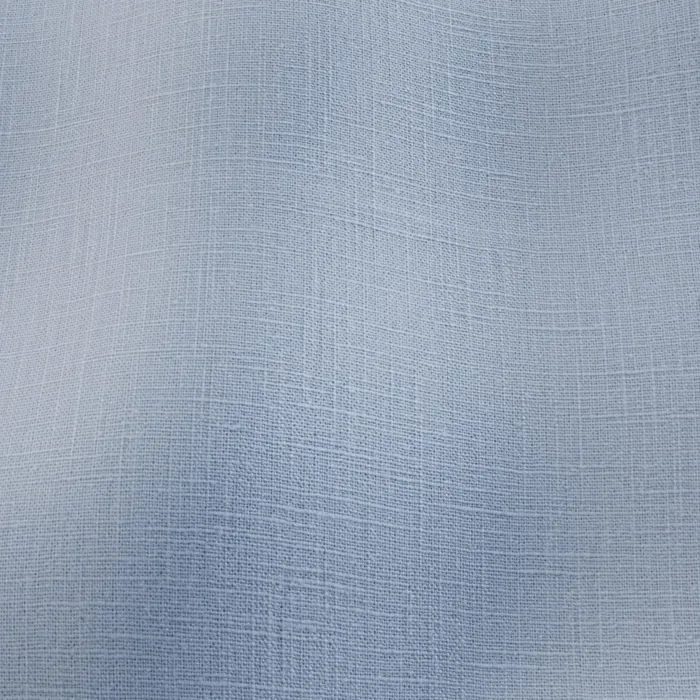
Cotton Jersey
The knitted cotton behind almost every T-shirt: soft, stretchy, and breathable, with a few quirks worth knowing.
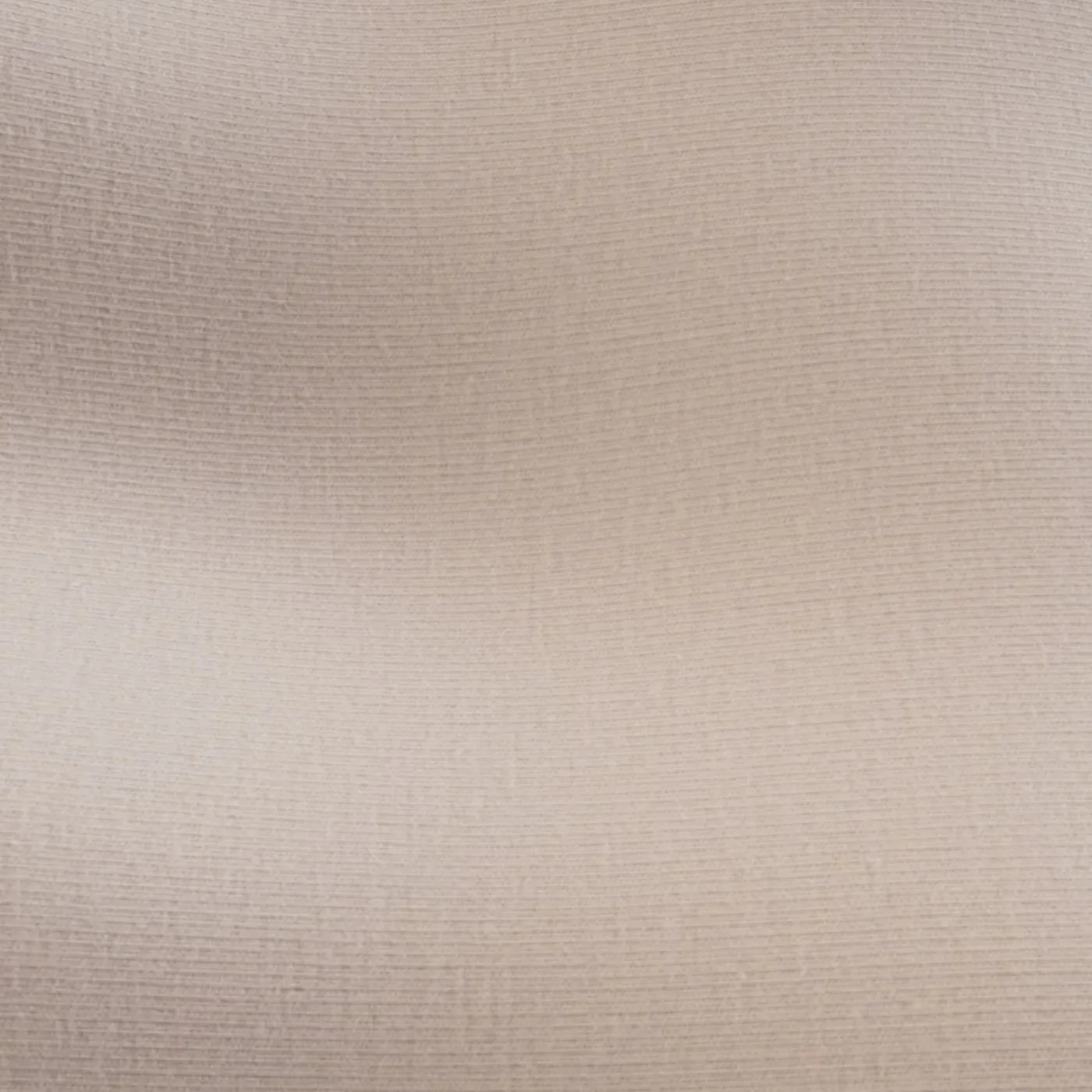 Drag to stretch
Quick facts
- Fibre
- Cotton, sometimes blended with elastane or polyester
- Construction
- Knit — single jersey for most T-shirts
- Stretch
- Moderate, from the knitted loops
- Drape
- Soft; follows the body
- Moisture
- Takes up sweat; slower to dry than synthetics when soaked
- Typical weight
- 140–220 GSM — what GSM means
What it is
Jersey is a knitted fabric. Instead of two sets of threads crossing over and under each other, as in a weave, a single yarn is looped row after row, with every loop meshing in the same direction [1]. Most T-shirts are single jersey: one smooth face showing neat columns of stitches, and a looser, slightly piled back [1].
The fibre is cotton, which grows as a soft, fluffy boll around the seeds of the cotton plant and is almost pure cellulose [2]. India is the world’s largest cotton producer [2].
Why it feels the way it does
- Stretch comes from the structure, not the fibre. The knitted loops can open and close as you move, so jersey gives even when it is 100% cotton. Elastane (Lycra or spandex) is sometimes added for more recovery [1].
- The edges curl. Single jersey is one layer of loops, so cut edges tend to roll [1]. That is why T-shirt hems and necklines are always folded or bound.
- It is comfortable in heat. Cotton takes up moisture rather than shedding it, which feels pleasant against skin. The trade-off is that a fully soaked cotton tee takes longer to dry than a synthetic one.
Single vs double jersey
Double jersey is knitted with two sets of needles, so it has loops on both faces. It is thicker and more stable, does not curl when cut, and stretches less [1]. You will find it in polos, thermal layers and soft jackets rather than everyday tees.
What weight to expect
Everyday T-shirts usually sit somewhere around 140–220 GSM, with heavier “heavyweight” tees above that. GSM tells you how much fabric is packed into each square metre — not, on its own, how good the fabric is. Yarn quality, knit density and finishing matter just as much. Our GSM guide explains what the number can and can’t tell you.
Sources
Written by the Vibe Studio. Last updated .