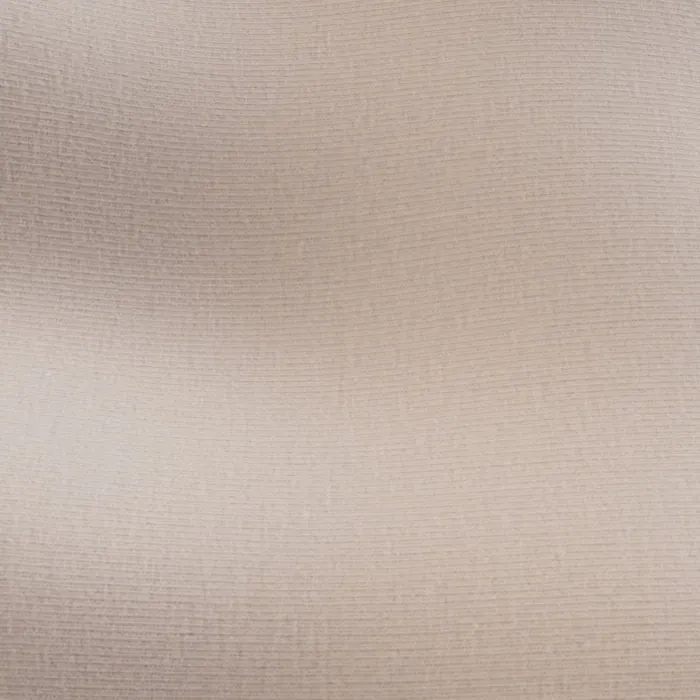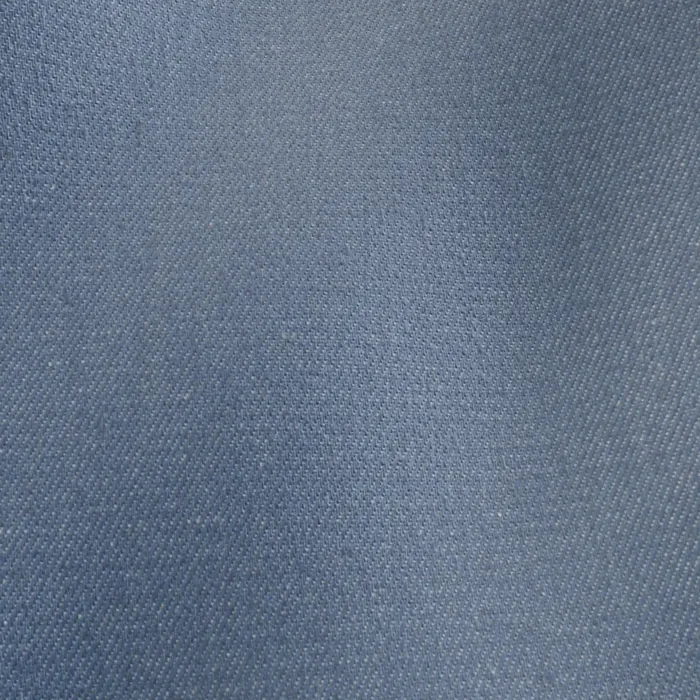
Linen
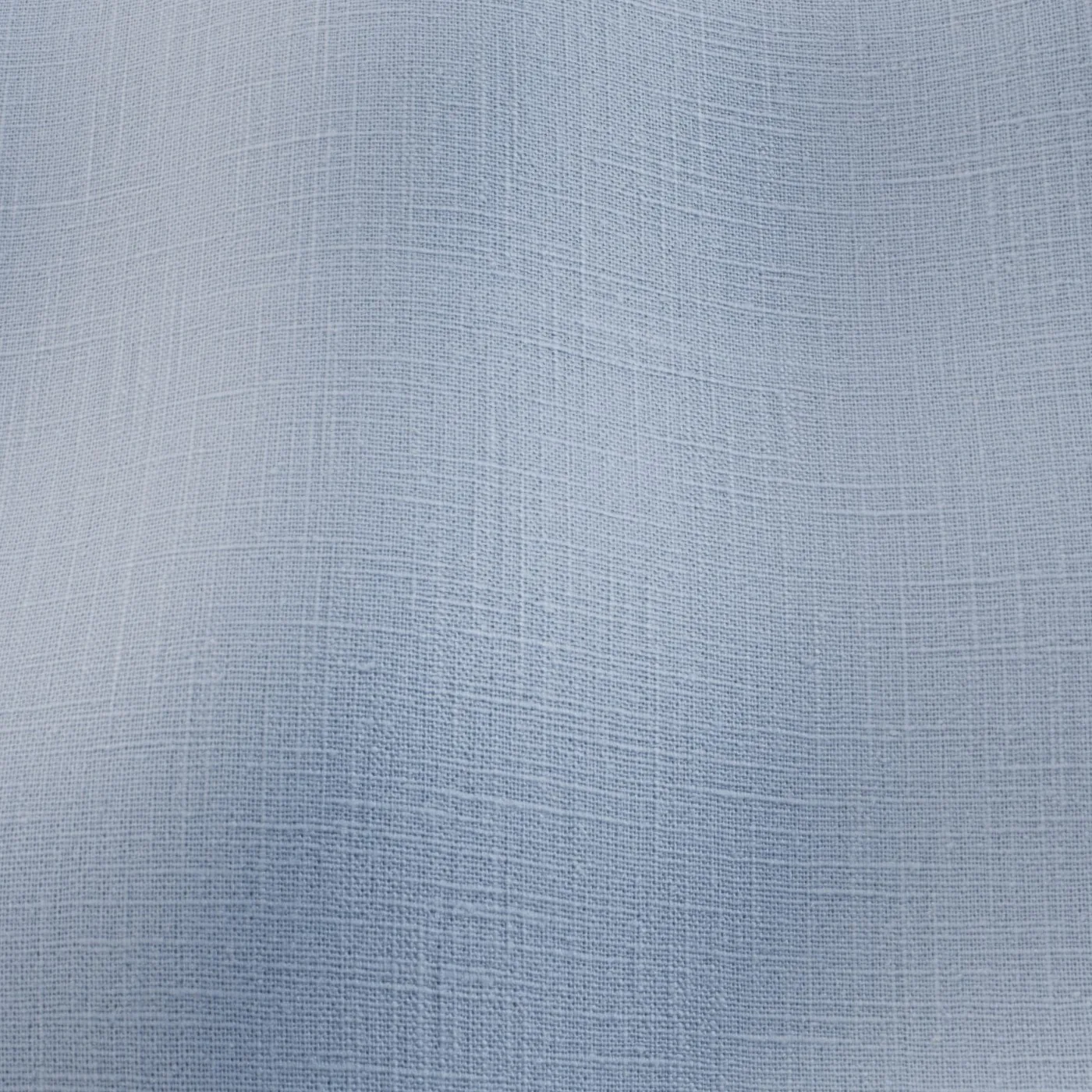
Woven from flax, linen is strong, absorbent and cool to the touch — and it creases. That's part of the deal.
 Drag to stretch
Quick facts
- Fibre
- Flax — a bast fibre from the plant's stem
- Construction
- Usually woven; can be knitted
- Stretch
- Very little
- Drape
- Crisp at first, softer with every wash
- Moisture
- Very absorbent and dries faster than cotton
- Typical weight
- 120–200 GSM — what GSM means
What it is
Linen is made from the bast fibres of the flax plant (Linum usitatissimum) — long fibres that run up the stem. They are separated from the stalk by retting, which breaks down the pectin binding them together [1]. Linen can be woven or knitted [1], but most linen you’ll wear is woven.
Why it suits hot, humid weather
- It absorbs and lets go. Linen is very absorbent and dries faster than cotton [1], so sweat moves away from the skin instead of sitting on it.
- It feels cool. Linen has a higher thermal conductivity, which is why it feels cool to the touch [1].
- It’s strong. Linen is up to three times stronger than cotton, and it gets stronger when wet [1].
The trade-offs
- It creases. Linen has low elasticity, so it wrinkles easily. Folding it sharply in the same place over and over can eventually break the threads [1].
- It’s textured. Small thick-and-thin spots called slubs appear along the yarn. They were once seen as flaws and are now valued as part of linen’s character; the finest linens have none [1].
- It needs a little care. Mildew, perspiration and bleach can all damage it [1].
It gets better with age
Linen gets softer the more it is washed [1]. A linen shirt that feels stiff on day one often becomes the softest thing you own.
What weight to expect
Shirting linen usually falls somewhere around 120–200 GSM; heavier linens are used for trousers and home textiles. Because linen is so absorbent, a lighter, more open weave tends to feel best in Indian summers.
Sources
Written by the Vibe Studio. Last updated .